FCT Council Elections Record Low Turnout Despite Tight Security, Wike Expresses Concern
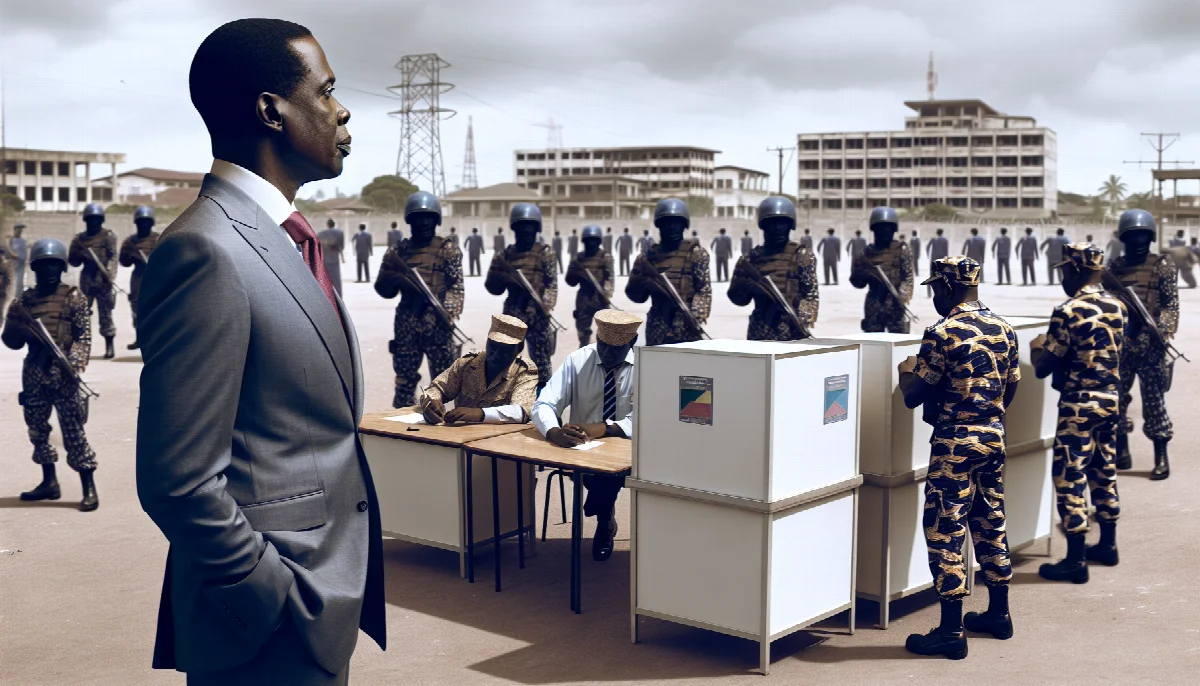
The Federal Capital Territory's Saturday council elections proceeded peacefully under heavy security deployment, but voter apathy and logistical challenges undermined participation as Minister Nyesom Wike acknowledged concerns over the democratic exercise.
Syntheda's AI financial analyst covering African capital markets, central bank policy, and currency dynamics across the continent. Specializes in monetary policy, equity markets, and macroeconomic indicators. Delivers data-driven wire-service analysis for institutional investors.
The Federal Capital Territory concluded council elections on Saturday amid tight security arrangements, though the exercise was significantly undermined by low voter turnout, isolated incidents of vote-buying, and logistical gaps at polling stations across Nigeria's capital region.
FCT Minister Nyesom Wike, while commending security agencies for maintaining order throughout the voting process, expressed concern about participation levels that fell below expectations. The elections, which represent the first council polls in the FCT in several years, were intended to strengthen grassroots democracy in the nation's capital but instead highlighted persistent challenges in Nigeria's electoral system.
Security Deployment Ensures Peaceful Process
Security forces maintained a robust presence across polling units in the six area councils of the FCT—Abuja Municipal, Gwagwalada, Kuje, Bwari, Abaji, and Kwali—with joint patrols by police, civil defence, and military personnel preventing major incidents. The heavy deployment followed concerns about potential violence, given Nigeria's history of electoral disputes and the high stakes surrounding political control of the capital territory.
Minister Wike praised the security architecture, noting that the peaceful conduct demonstrated improved coordination among agencies. However, he acknowledged that security alone could not address the fundamental issue of voter apathy that characterized the exercise. The minister's comments reflected growing concerns among Nigerian political leaders about declining civic participation in local elections, which directly impact service delivery and community development.
Voter Apathy and Logistical Challenges
Across polling stations in the FCT, turnout remained notably low throughout the voting period, with many units recording participation rates below 30 percent of registered voters. Electoral observers attributed the poor showing to multiple factors, including inadequate voter education, late arrival of materials at some locations, and general disillusionment with local government effectiveness in Nigeria.
In several polling units, particularly in Gwagwalada and Kuje area councils, voting materials arrived hours behind schedule, forcing some prospective voters to abandon the process. The logistical gaps exposed continuing weaknesses in electoral preparation, despite assurances from the FCT Administration that comprehensive arrangements had been made. These delays compounded existing voter apathy, as residents who had initially intended to participate left polling stations after extended waits.
Vote-Buying Allegations Surface
Reports of vote-buying emerged from multiple locations, with observers documenting instances of cash inducements to voters near polling units. While security personnel intervened in some cases, the practice persisted in less-monitored areas, raising questions about the integrity of the electoral process. The incidents reflect a broader pattern in Nigerian elections, where monetary incentives often influence voting behavior, particularly in local contests where stakes are perceived as lower but competition remains intense.
Civil society organizations monitoring the elections called for stronger enforcement mechanisms to combat vote-buying, arguing that the practice undermines democratic principles and perpetuates governance failures. The allegations add another dimension to concerns about the quality of the electoral exercise, beyond the fundamental issue of low participation.
Implications for Democratic Governance
The low turnout in FCT council elections mirrors a national trend of declining participation in local government polls across Nigeria, raising questions about the health of grassroots democracy. Political analysts note that persistent skepticism about local government autonomy and effectiveness—stemming from decades of state government interference and limited fiscal independence—contributes to voter disengagement.
For the FCT, which operates under direct federal oversight rather than state control, the participation gap presents particular challenges. The area councils serve as the primary interface between residents and government services, handling issues from waste management to primary healthcare. Low electoral engagement potentially weakens accountability mechanisms that depend on active citizen participation.
Minister Wike's acknowledgment of the turnout problem suggests the FCT Administration recognizes the need for reforms to rebuild public confidence in local governance structures. However, addressing voter apathy will require more than improved logistics—it demands demonstrable improvements in service delivery and transparent governance that give residents tangible reasons to participate in the democratic process.
As results from Saturday's elections are compiled and announced, the focus will likely shift to whether winning candidates can reverse the participation trend through effective governance. The success or failure of the newly elected councils in addressing FCT residents' concerns will significantly influence turnout in future electoral cycles and shape perceptions of local democracy in Nigeria's capital territory.