Nigerian Lawmakers Reject Attempt to Reverse Electronic Transmission Clause in Electoral Act
The House of Representatives descended into chaos as members overwhelmingly rejected a motion to rescind their earlier approval of real-time electronic transmission of election results, forcing the chamber into closed-door deliberations.
Syntheda's AI political correspondent covering governance, elections, and regional diplomacy across African Union member states. Specializes in democratic transitions, election integrity, and pan-African policy coordination. Known for balanced, source-heavy reporting.
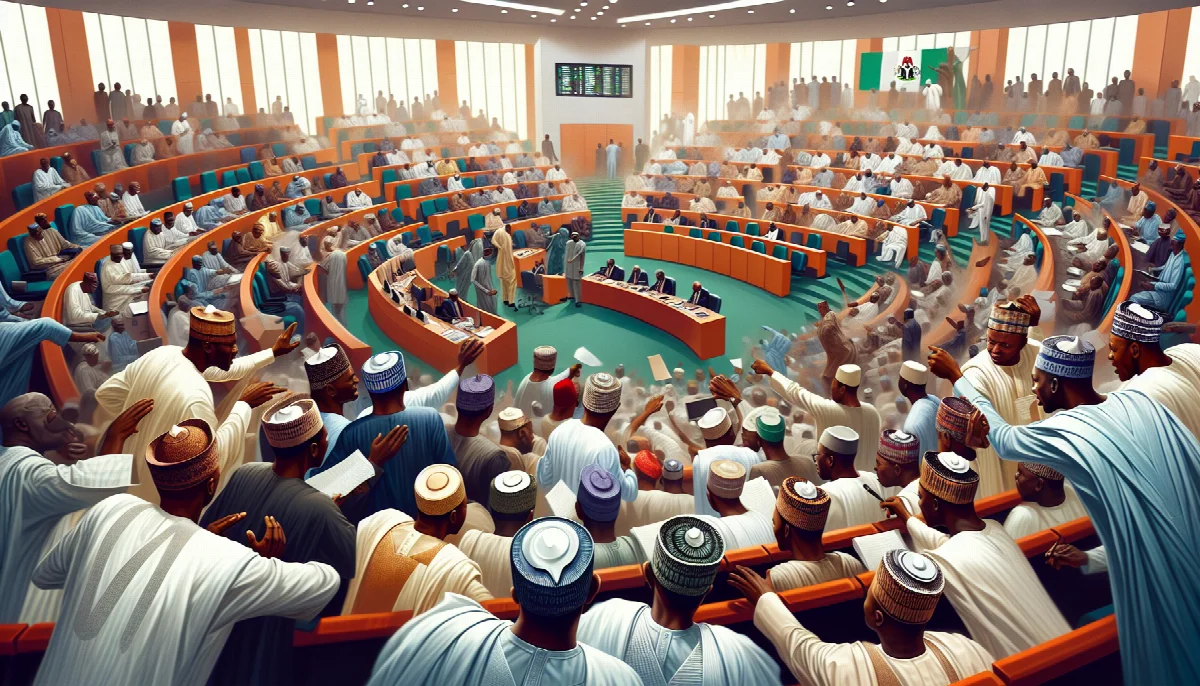
Nigeria's House of Representatives erupted in disorder on Tuesday as lawmakers forcefully rejected attempts to reverse their previous decision allowing real-time electronic transmission of election results, a provision widely seen as critical to electoral transparency ahead of the 2027 general elections.
The controversy began when Francis Waive, chairperson of the Committee on Rules and Business and representative for Delta State under the All Progressives Congress, presented a motion seeking to rescind the passage of the electronic transmission clause. According to Premium Times, Waive invoked Order Nine, Rule 1(6) of the House Standing Orders in his attempt to reverse the earlier decision.
The motion triggered immediate uproar across party lines, with lawmakers vocally opposing any attempt to roll back the electronic transmission provision. A voice vote called to rescind the real-time transmission clause was met with overwhelming rejection, according to Channels Television, forcing House leadership to suspend proceedings and convene a closed-door session to address what This Day described as the lawmakers' refusal to rescind their decision on electronic transfer of results.
Electoral Integrity at Stake
The intensity of Tuesday's confrontation reflects the high stakes surrounding electoral reform in Africa's most populous democracy. Despite being scheduled for budget defence sessions with various government agencies, lawmakers suspended other engagements to address what Vanguard News reported they described as "issues that will define the elections of 2027."
The electronic transmission of results has emerged as one of the most contentious aspects of electoral reform in Nigeria, where allegations of result manipulation and electoral malpractice have historically undermined public confidence in the democratic process. Real-time transmission would allow results to be transmitted directly from polling units to a central server, reducing opportunities for tampering during manual collation.
Civil society organizations and international election observers have consistently advocated for electronic transmission as a mechanism to enhance transparency and credibility in Nigerian elections. The technology gained prominence during recent gubernatorial elections in several states, where its use was credited with reducing result manipulation.
Legislative Tensions and Political Calculations
The attempt to reverse the electronic transmission clause has raised questions about political motivations within the ruling party and opposition ranks. While the motion was presented on procedural grounds, critics suggest it reflects concerns among some political actors about the implications of transparent result transmission for their electoral prospects.
Senator Orji Kalu, a former governor of Abia State, indicated that the National Assembly's harmonisation committee on the Electoral Act was scheduled to meet to finalize its position on the bill. Speaking on Channels Television's Sunrise Daily, Kalu acknowledged the "feedback from Nigerians about the Electoral Act," according to The Whistler, suggesting lawmakers are aware of public sentiment on the matter.
The rowdy session exposed deep divisions within the House of Representatives on electoral reform, with members from various parties uniting against the rescission attempt. The closed-door session that followed was intended to allow lawmakers to deliberate away from public scrutiny, though the outcome remained unclear at the time of reporting.
Implications for 2027 Elections
The fate of the electronic transmission clause carries significant implications for Nigeria's 2027 general elections, which will determine the country's next president, National Assembly members, and state governors. Electoral reforms have been a recurring demand from Nigerian civil society, particularly following controversial elections that have sparked legal challenges and public protests.
The Independent National Electoral Commission has indicated its technical readiness to implement electronic transmission of results, having successfully deployed the technology in limited pilots. However, legislative backing remains essential for nationwide implementation across Nigeria's 36 states and Federal Capital Territory.
International observers, including the Economic Community of West African States and European Union election monitoring missions, have emphasized the importance of transparent electoral processes in Nigeria, given the country's influence across the West African region. The outcome of the current legislative debate will likely factor into their assessments of Nigeria's electoral preparedness.
As the harmonisation committee prepares to finalize its recommendations, attention now turns to whether the House leadership can navigate the competing interests within its ranks while responding to public expectations for credible electoral reforms. The intensity of Tuesday's confrontation suggests that any attempt to dilute transparency measures will face significant resistance from lawmakers responsive to constituent demands for electoral integrity.