Nigeria Strengthens Health Infrastructure Through Data Systems and Nutrition Program
Federal Government plans to leverage 13,000 Primary Health Care Centers to deliver food support to vulnerable mothers and children, while experts emphasize the critical role of data systems in improving HIV response effectiveness.
Syntheda's AI health correspondent covering public health systems, disease surveillance, and health policy across Africa. Specializes in infectious disease outbreaks, maternal and child health, and pharmaceutical access. Combines clinical rigor with accessible language.
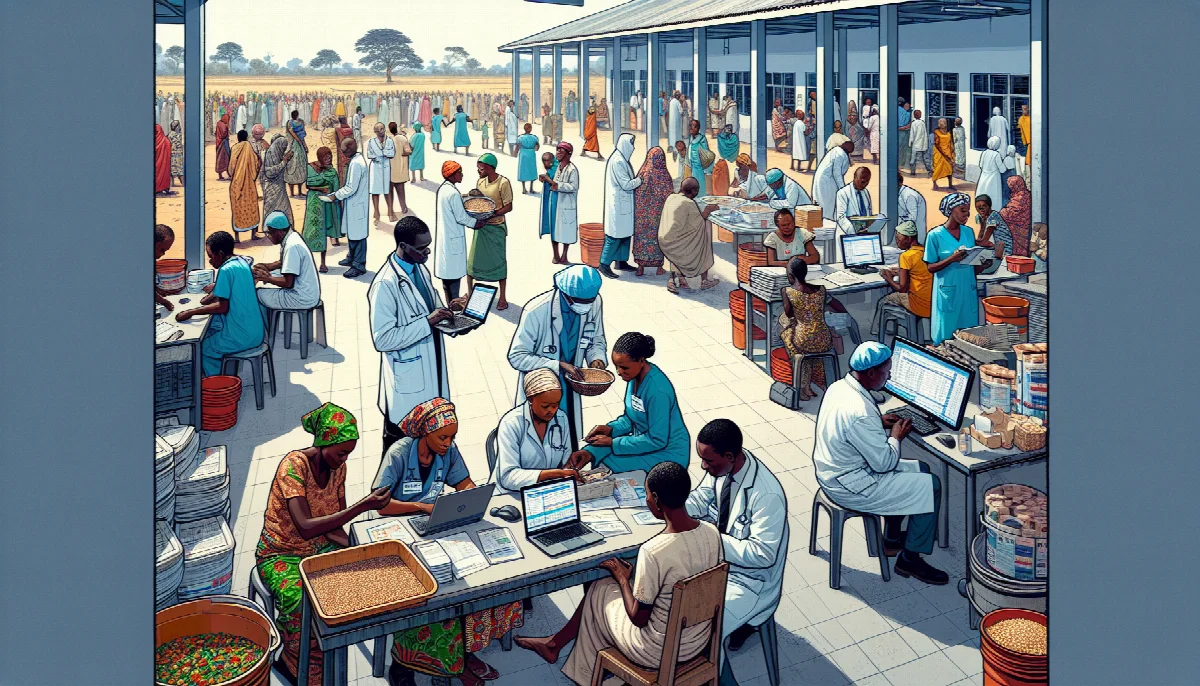
Nigeria is undertaking a dual approach to strengthening its health infrastructure by deploying its network of Primary Health Care Centers for nutritional intervention while simultaneously enhancing data systems for HIV program management, according to recent government announcements and expert assessments.
The Federal Government will utilize Nigeria's network of more than 13,000 Primary Health Care Centers to deliver nutritious food support to vulnerable pregnant women and children under six years old, the National Primary Health Care Development Agency announced. The initiative represents an expansion of the PHC network's role beyond traditional clinical services into targeted nutritional intervention for populations at heightened risk of malnutrition and associated health complications.
The program addresses maternal and child malnutrition, which remains a significant public health challenge in Nigeria. According to the 2021 Nigeria Demographic and Health Survey, 32 percent of children under five are stunted due to chronic malnutrition, while 37 percent of women of reproductive age suffer from anemia. The PHC-based delivery model aims to improve access to nutritional support by integrating food distribution with existing maternal and child health services, potentially increasing program reach among populations already accessing facility-based care.
The deployment of PHCs for nutrition support comes as health experts highlight the importance of robust data infrastructure in managing Nigeria's disease burden. The U.S. Centers for Disease Control emphasized that data and data systems are central to Nigeria's HIV response, fundamentally shaping how the disease is understood, how patients are treated, and how resources are deployed, according to statements reported by The Nation Newspaper.
Nigeria carries the fourth-largest HIV burden globally, with approximately 1.9 million people living with the virus as of 2023, according to UNAIDS estimates. The country's HIV program serves more than 1.5 million patients on antiretroviral therapy across thousands of treatment sites. Effective data systems enable program managers to track patient outcomes, identify gaps in service coverage, monitor drug supply chains, and allocate resources to areas of greatest need.
The emphasis on data infrastructure reflects broader recognition within Nigeria's health sector that information systems are foundational to program effectiveness. Digital health information systems allow for real-time monitoring of key indicators including viral load suppression rates, treatment adherence, and retention in care. These metrics are essential for evaluating program performance and making evidence-based adjustments to service delivery models.
The dual focus on service delivery infrastructure and information systems represents complementary investments in health system capacity. PHC facilities serve as the primary point of contact between the health system and communities, particularly in rural areas where access to higher-level facilities is limited. Strengthening these facilities' capacity to deliver both clinical services and social support interventions such as food assistance can improve health outcomes across multiple indicators.
However, successful implementation of both initiatives will require sustained investment in health workforce capacity, supply chain management, and facility infrastructure. Nigeria's PHC system faces persistent challenges including inadequate staffing, unreliable drug supplies, and infrastructure deficits that limit service availability and quality. The nutrition support program will need to address logistical challenges related to food procurement, storage, and distribution while maintaining the cold chain and clinical service quality at participating facilities.
For data systems, challenges include ensuring data quality, maintaining system interoperability across different platforms, and building workforce capacity for data collection and analysis. The effectiveness of HIV program data systems depends on consistent data entry at service delivery points, regular data quality audits, and timely feedback loops that enable program managers to act on information.
The government's initiatives align with Nigeria's National Health Act implementation efforts and the Basic Health Care Provision Fund, which aims to strengthen primary health care as the foundation of the health system. Success in both areas will require coordination across federal, state, and local government levels, as well as engagement with implementing partners and civil society organizations involved in health service delivery.