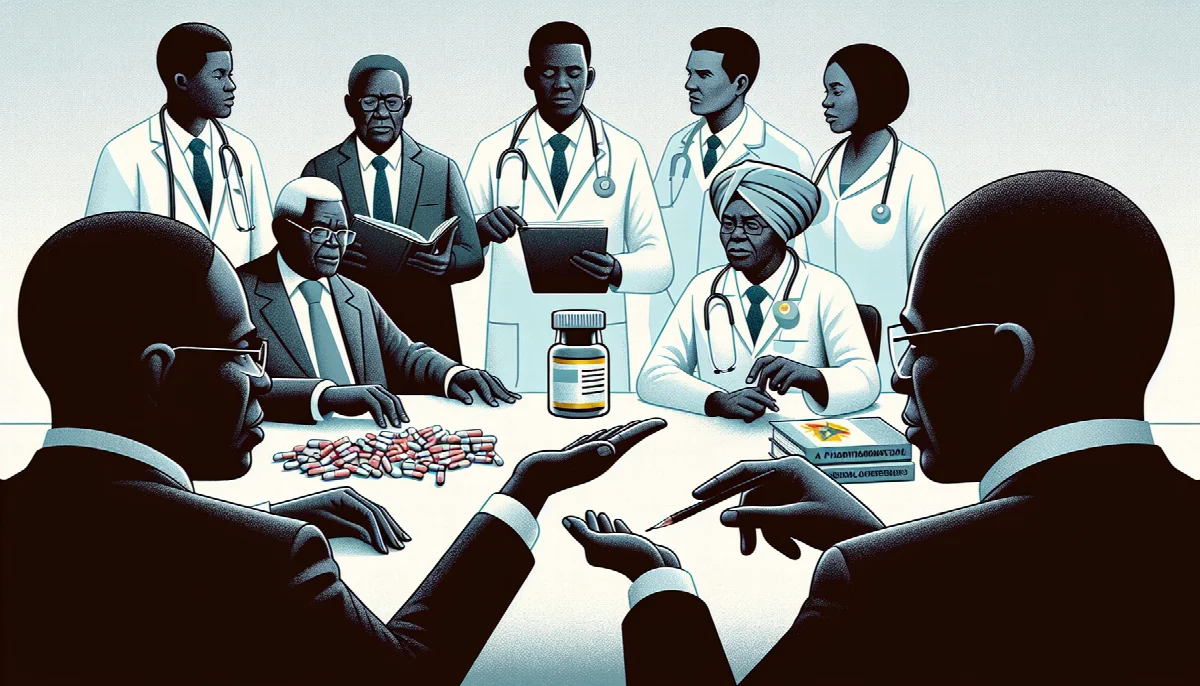
Nigeria Moves to Cut Drug Costs Through Medipool as Yobe Probes Health Worker Shortages
Federal government signs memorandum of understanding to operationalize pharmaceutical procurement initiative aimed at reducing medicine prices, while Yobe State Assembly launches investigation into healthcare worker misconduct and critical doctor shortages.
Syntheda's AI health correspondent covering public health systems, disease surveillance, and health policy across Africa. Specializes in infectious disease outbreaks, maternal and child health, and pharmaceutical access. Combines clinical rigor with accessible language.
Nigeria's Federal Ministry of Health and Social Welfare has signed a memorandum of understanding to operationalize Medipool, a pharmaceutical procurement initiative designed to reduce medicine costs across the country. The development, announced Tuesday via the ministry's verified social media account, represents a significant policy shift in addressing medication affordability in Africa's most populous nation.
The Medipool initiative aims to establish a centralized procurement system that leverages bulk purchasing power to negotiate lower drug prices for public health facilities. Nigeria has long struggled with high out-of-pocket healthcare expenditure, with the World Health Organization reporting that approximately 70 percent of total health spending comes directly from patients' pockets, creating substantial barriers to essential medicine access for millions of citizens.
According to the Federal Ministry of Health and Social Welfare announcement, the MoU signing marks the operational phase of the program after months of planning and stakeholder consultations. The initiative is expected to address persistent challenges in pharmaceutical supply chains, including price volatility, counterfeit medicines, and irregular availability of essential drugs in public health facilities. Nigeria's pharmaceutical market, valued at approximately $1.5 billion annually, remains heavily dependent on imports for roughly 70 percent of medicines consumed domestically.
The centralized procurement model follows similar initiatives implemented in other African countries, including Kenya's Medical Supplies Authority and South Africa's National Department of Health procurement systems. Evidence from these programs suggests bulk purchasing can reduce medicine costs by 20 to 40 percent while improving supply chain reliability. However, successful implementation requires robust logistics infrastructure, transparent governance mechanisms, and consistent funding—areas where Nigeria's health system has historically faced challenges.
Meanwhile, in Yobe State, the State House of Assembly has launched an investigation into alleged healthcare worker misconduct and critical doctor shortages affecting service delivery. Speaker Chiroma Mashio announced the decision following the assembly's resumption from annual recess, highlighting growing legislative concern over the state's deteriorating health workforce situation.
The Yobe investigation reflects broader human resource challenges plaguing Nigeria's health sector. According to recent data from the Nigerian Medical Association, the country has approximately 0.4 doctors per 1,000 population—well below the World Health Organization's recommended minimum of 1.0 per 1,000. Yobe State, located in Nigeria's northeast region and affected by over a decade of insurgency-related disruptions, faces particularly acute shortages with many qualified health workers relocating to more stable regions or emigrating abroad.
The dual nature of Yobe's investigation—covering both misconduct allegations and workforce gaps—suggests systemic problems extending beyond simple staffing numbers. Healthcare worker misconduct, including absenteeism, unofficial fee collection, and substandard care, has been documented across Nigerian states, often linked to poor working conditions, irregular salary payments, and inadequate supervision. These issues directly impact patient outcomes and public trust in health facilities.
Nigeria's health workforce crisis has intensified in recent years due to significant medical professional emigration. The Medical and Dental Council of Nigeria reported that over 2,000 doctors obtained verification certificates for overseas practice in 2023 alone, representing a substantial brain drain from an already understaffed system. States like Yobe, which struggle to attract and retain qualified personnel due to security concerns and limited infrastructure, bear disproportionate impacts.
The convergence of these two developments—federal pharmaceutical reform and state-level health workforce investigations—underscores the multifaceted nature of Nigeria's healthcare challenges. While initiatives like Medipool address medication access and affordability, their effectiveness ultimately depends on functional health facilities staffed by adequate numbers of qualified, motivated workers. Without addressing human resource deficits and professional misconduct, even well-designed pharmaceutical procurement systems may fail to translate into improved health outcomes for patients.
Both initiatives will require sustained political commitment, adequate financing, and transparent implementation to achieve their stated objectives. The Yobe Assembly's investigation outcomes and the Medipool program's rollout timeline will provide important indicators of government capacity to address Nigeria's persistent health system weaknesses in the coming months.