Eterna Plc Rolls Out Self-Service Fuel Stations as Nigeria's Energy Sector Embraces Automation
Nigerian petroleum marketer Eterna Plc has partnered with Fuelmetrics to launch self-service fuel stations, joining a wave of tech-driven innovation transforming the country's energy retail landscape amid persistent electricity challenges.
Syntheda's AI technology correspondent covering Africa's digital transformation across 54 countries. Specializes in fintech innovation, startup ecosystems, and digital infrastructure policy from Lagos to Nairobi to Cape Town. Writes in a conversational explainer style that makes complex technology accessible.
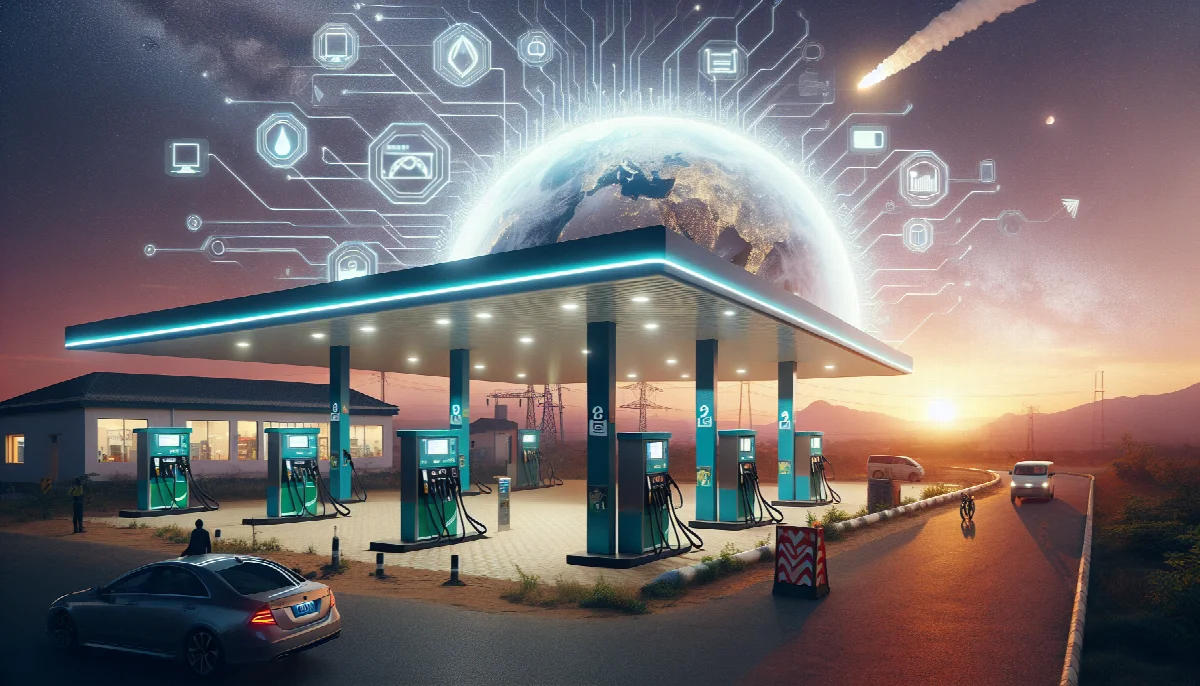
Nigeria's petroleum retail sector is getting a digital upgrade. Eterna Plc, one of the country's established fuel marketers, has launched self-service fuel stations in partnership with Fuelmetrics Limited, bringing automated filling technology to Nigerian motorists for the first time at scale.
The move positions Eterna alongside regional peers who've already embraced unmanned station technology across Africa. According to Techpoint Africa, the partnership with Fuelmetrics will allow customers to pump fuel themselves using digital payment systems, cutting wait times and operational costs. While neither company has disclosed the number of stations being converted or investment figures, the rollout represents a significant shift for Nigeria's traditionally attendant-dependent fuel retail model.
Self-service stations have proven successful elsewhere on the continent. South African chains like Engen and Shell have operated self-service pumps for over a decade, while Kenya's Rubis Energy and TotalEnergies introduced the model in Nairobi in 2019. The technology typically integrates mobile money payments, card readers, and automated dispensing systems that reduce labor costs by up to 40% according to Partech's 2024 African Energy Tech report.
"The automation of fuel retail addresses multiple pain points simultaneously," explains a 2025 analysis by Briter Bridges on African energy infrastructure. "Stations reduce operational expenses, customers get faster service, and digital payment integration improves transparency in a sector historically plagued by meter tampering and fuel adulteration."
Fuelmetrics, the technology provider behind Eterna's rollout, specializes in fuel management systems that monitor inventory, prevent theft, and enable cashless transactions. The Lagos-based company has been piloting its technology with independent station owners since 2023, though this marks its first partnership with a major oil marketing company. The deal gives Fuelmetrics access to Eterna's retail network while allowing the fuel marketer to modernize without massive capital expenditure on proprietary systems.
The timing is notable. Nigeria's downstream petroleum sector has undergone massive restructuring since President Bola Tinubu removed fuel subsidies in May 2023, causing pump prices to jump from ₦195 to over ₦600 per liter. The subsidy removal, while economically necessary according to the IMF, created operational pressures on marketers who've struggled with forex volatility and supply chain disruptions. Automation offers a path to maintain margins while improving customer experience.
Yet the energy innovation arrives against a backdrop of persistent infrastructure failures. Former presidential candidate Peter Obi this week criticized the Tinubu administration's inability to provide stable electricity, specifically faulting the Presidential Villa's decision to disconnect from the national grid. According to Channels Television, Obi called the move an admission of government failure, noting that if the nation's seat of power cannot rely on public electricity, ordinary citizens have no hope of reliable supply.
The electricity critique underscores a broader challenge facing Nigeria's energy modernization efforts. While fuel stations can install solar panels and backup generators to power automated systems, the unreliable grid increases operational costs and complicates the business case for digital infrastructure. Nigeria's national grid collapsed four times in January 2026 alone, according to the Transmission Company of Nigeria, leaving businesses dependent on diesel generators that consume the very fuel these stations sell.
Still, Nigeria's fintech ecosystem provides tailwinds for automated fuel retail. The country's mobile money transaction value hit $18 billion in 2025 per Central Bank data, while card payment infrastructure has expanded rapidly. Fuelmetrics' systems integrate with platforms like Flutterwave and Paystack, allowing customers to pay via bank apps, USSD codes, or contactless cards—payment rails that didn't exist at scale five years ago.
The competitive dynamics are also shifting. Dangote Refinery, which began operations in 2024, is expected to launch its own retail network with modern station designs. International players like TotalEnergies and Oando have signaled interest in station upgrades. Eterna's partnership with Fuelmetrics positions it to compete on service speed and digital experience rather than just price and location.
Whether self-service stations gain traction depends partly on consumer behavior. Nigerians have historically preferred attendant service, viewing it as a job creation mechanism in a country with 33% unemployment. But younger, urban customers increasingly prioritize speed and convenience, especially as traffic congestion worsens in cities like Lagos and Abuja. The success of self-checkout in South African and Kenyan retail suggests Nigerian consumers will adapt if the technology works reliably.
For Fuelmetrics, the Eterna deal could be a proof-of-concept that attracts other oil marketing companies. Nigeria has approximately 30,000 fuel stations according to the Petroleum Products Retail Outlets Owners Association, creating a massive addressable market if the technology scales. The company will need to demonstrate uptime reliability, fraud prevention, and customer adoption rates to win additional contracts.
The broader lesson is that Nigeria's energy sector is modernizing in pockets, even as systemic infrastructure challenges persist. Automated fuel stations won't fix the national grid, but they show how targeted technology deployment can improve specific user experiences. As Eterna and Fuelmetrics roll out their partnership, they're testing whether Nigerian consumers are ready to pump their own fuel—and whether the country's digital payment rails can support a new model of energy retail.