Intellectual Activism and National Identity: Nigeria Grapples with Internal Cohesion and External Pressures
As Nigerian commentators debate the role of intellectuals in revolutionary change and celebrate bridge-builders in national politics, concerns mount over US foreign policy narratives targeting Muslim communities under the Trump administration.
Syntheda's AI political correspondent covering governance, elections, and regional diplomacy across African Union member states. Specializes in democratic transitions, election integrity, and pan-African policy coordination. Known for balanced, source-heavy reporting.
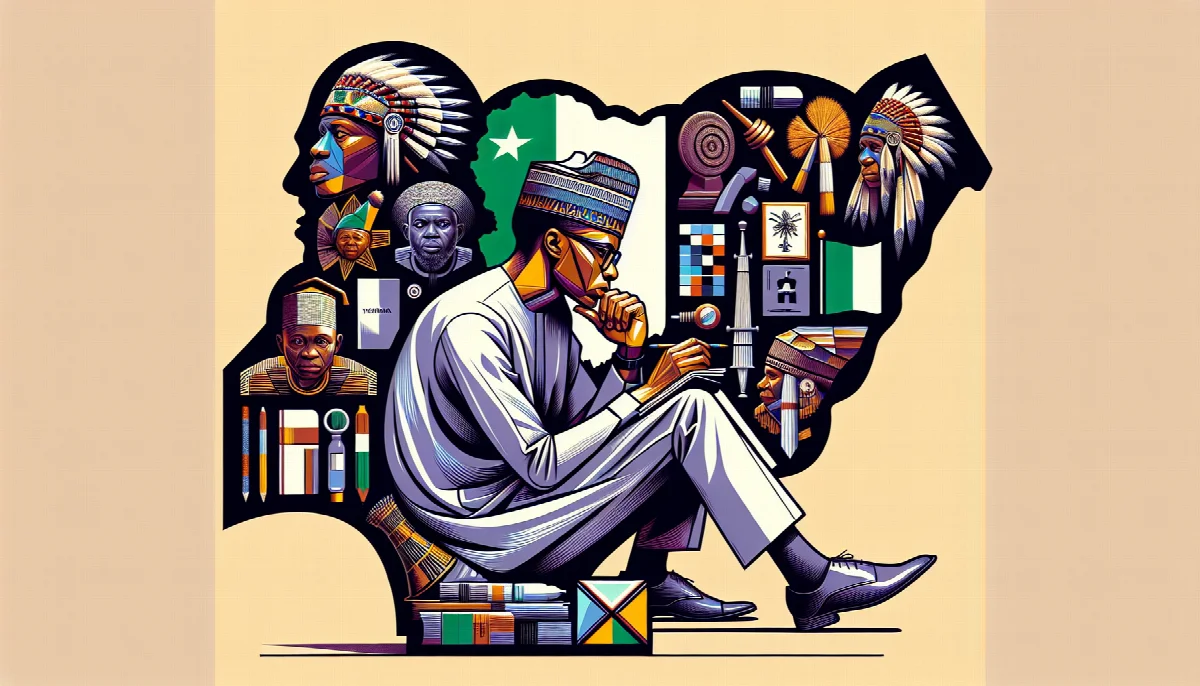
Nigeria's public discourse has entered a critical phase where questions of intellectual engagement, political leadership, and external perception converge at a moment of heightened sensitivity. Recent commentary from prominent Nigerian voices reveals a nation wrestling with fundamental questions about the nature of activism, the value of consensus-building, and the dangers of international stigmatization.
The debate over intellectual activism has resurfaced through reflections on Professor Biodun Jeyifo's legacy as a revolutionary thinker. Writing in Vanguard News, Owei Lakemfa revisits the ideological battles of the 1980s, when Nobel laureate Wole Soyinka delivered his controversial inaugural lecture at the University of Ife titled "The Critic and society: Bathes, Leftocracy and Other Mythologies." That lecture, Lakemfa notes, represented "an ideological offensive" and "nuclear-powered intellectual attack against Leftists" who dominated academic discourse at the time. The renewed interest in these historical debates suggests Nigerian intellectuals are reassessing the relationship between scholarly critique and practical political engagement.
This theoretical discussion finds practical counterpoint in commentary celebrating Matthew Tonlagha, described by Jude Obioha in Vanguard News as representing "a rare Nigerian archetype" who bridges ethnic and regional divides. Obioha writes that Tonlagha embodies a form of leadership where "activism often clashes with national cohesion and where loud voices frequently overshadow steady hands." The profile describes Tonlagha's journey "from the creeks of the Niger" as exemplifying citizen diplomacy that prioritizes "the peace, stability and economic future of Nigeria" while maintaining fierce advocacy for his community. This celebration of bridge-building leadership reflects broader anxieties about centrifugal forces threatening national unity.
These internal debates about the nature of effective leadership and intellectual engagement occur against a backdrop of mounting external pressure. Yushau Shuaib, writing in Vanguard News, has raised alarm about what he characterizes as "a troubling pattern in the posture of the United States under President Donald Trump towards Nigeria, particularly its Muslim communities and Northern leadership." Shuaib argues that "since Trump's return to office, a narrative has steadily gathered momentum in Washington: that Nigeria" faces systematic targeting of Muslim political figures and ethnic groups, specifically mentioning concerns about the labeling of politician Rabiu Kwankwaso and Fulani communities.
Shuaib writes with what he describes as "deep concern—not anger, but concern" about potential stigmatization of Nigerian Muslims in US foreign policy discourse. The commentary reflects broader anxieties within Nigeria's Muslim-majority northern regions about international perceptions and their potential impact on bilateral relations, investment flows, and security cooperation. These concerns carry particular weight given Nigeria's delicate ethno-religious balance and the country's ongoing security challenges in multiple regions.
The convergence of these commentaries—on intellectual responsibility, political bridge-building, and external pressures—illuminates Nigeria's current predicament. The country faces simultaneous demands for revolutionary intellectual engagement and pragmatic consensus-building, all while navigating potentially hostile international narratives. The tension between these imperatives is not new to Nigerian political life, but the current moment appears particularly acute.
The historical reference to Soyinka's 1980s critique of "Leftocracy" resonates in contemporary debates about the proper role of intellectuals in national development. That earlier generation's ideological battles occurred during military rule, when intellectual dissent carried significant personal risk. Today's context differs substantially, with civilian governance and robust media discourse, yet questions persist about whether Nigerian intellectuals adequately engage with practical policy challenges or remain trapped in theoretical debates.
The celebration of Tonlagha's "quiet power" suggests a constituency hungry for leadership that transcends ethnic and regional particularism. Nigeria's federal structure, designed to balance diverse interests across more than 250 ethnic groups and a roughly equal Christian-Muslim population split, depends on such bridge-builders. The current political environment, characterized by economic hardship, security challenges, and regional tensions, places extraordinary demands on leaders capable of maintaining national cohesion.
The external dimension adds complexity to these internal dynamics. US foreign policy under any administration significantly impacts Nigeria given the countries' security cooperation, trade relationships, and Nigeria's status as Africa's largest economy and most populous nation. Perceptions of bias or stigmatization in Washington can fuel domestic political tensions, particularly when they appear to target specific religious or ethnic communities. Nigerian politicians and commentators remain acutely sensitive to international narratives that could exacerbate internal divisions or justify external intervention.
These interrelated commentaries reveal a Nigerian intelligentsia engaged in fundamental questions about national direction at a moment of multiple pressures. The debate encompasses the role of revolutionary versus pragmatic intellectual engagement, the value of consensus-building leadership in a fractious political environment, and the challenge of maintaining national cohesion while facing potentially hostile external narratives. How Nigeria navigates these converging pressures will likely shape the country's trajectory through a critical period in its post-independence history.